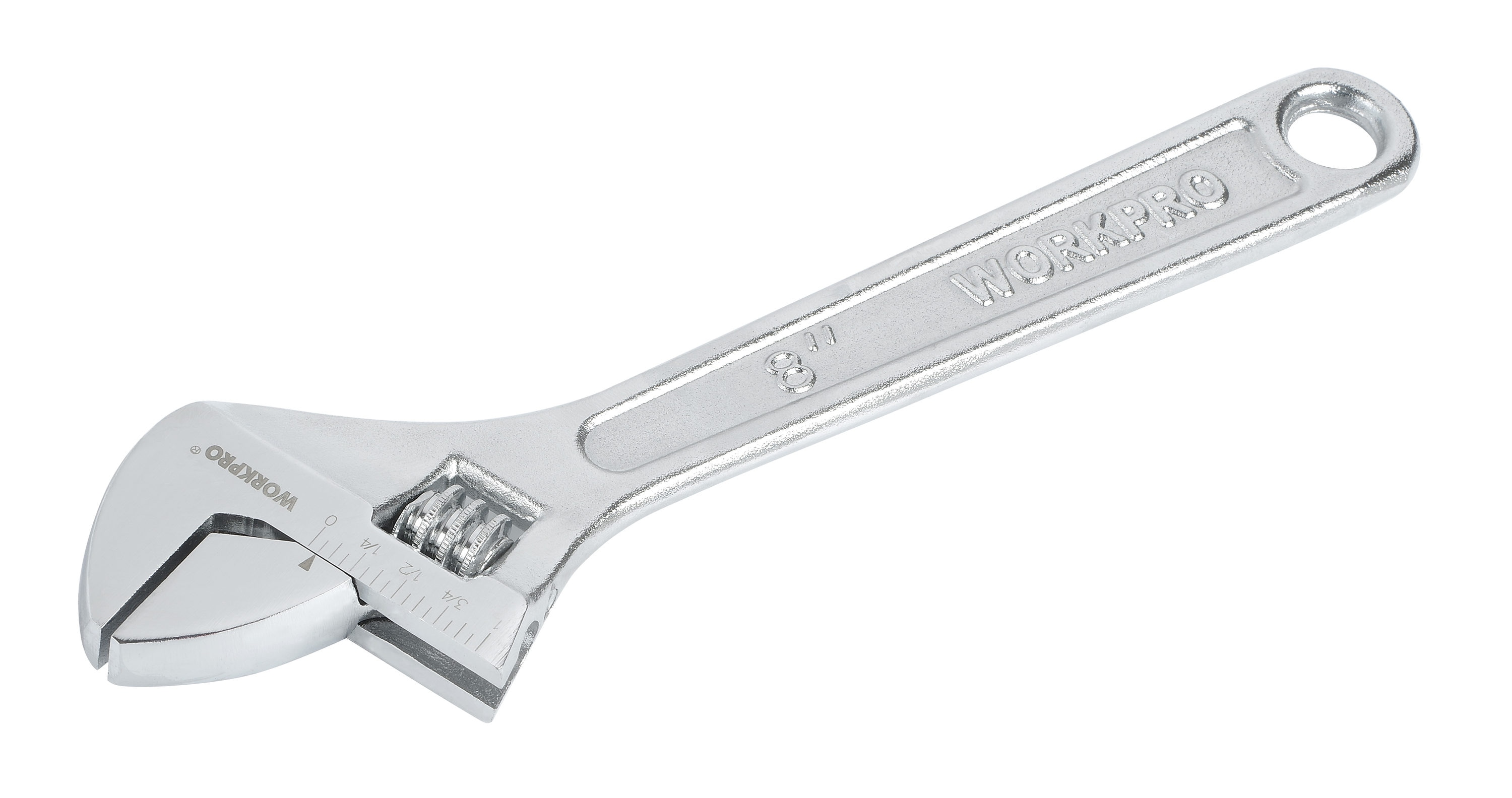
The Science of Flexibility: How Adjustable Designs Are Changing Our Lives
The science of flexibility has become a fundamental aspect of modern design, transforming the way we interact with various products and spaces. Adjustable designs are not only reshaping our environments, but they are also enhancing our daily experiences. From innovative furniture that adapts to our needs, such as convertible sofas and extendable dining tables, to modular technology that allows us to customize our devices, these designs are promoting a new level of personalization. As people increasingly seek functionality and versatility, the demand for flexibility in design continues to grow, driving manufacturers to explore creative solutions.
Moreover, the impact of adjustable designs goes beyond mere convenience; it also plays a critical role in improving our well-being. Research suggests that environments tailored to individual needs can reduce stress and increase productivity. For instance, in workplaces that incorporate flexible workspaces, employees report higher satisfaction and morale. In essence, the integration of flexibility into design not only caters to personal preferences but also contributes to a healthier, more dynamic lifestyle.
Counter-Strike is a popular first-person shooter game that has become a staple in the gaming community. With its emphasis on team strategy, skillful gameplay, and competitive tournaments, it has evolved into a global phenomenon. Players can enhance their gaming experience with various accessories, such as the Top 10 Adjustable Tablet Stands, which can provide better ergonomics during long gaming sessions.
Five Everyday Products That Showcase the Power of Flexibility
Flexibility is an essential characteristic that enhances our daily lives, and many everyday products exemplify this principle. One such product is the smartphone, which combines communication, entertainment, and productivity tools into a single device. With features that allow for customization and adaptability, smartphones have transformed how we connect and interact, proving that flexibility can lead to greater efficiency in our daily tasks.
Another remarkable example of flexibility is the multi-tool, which serves several functions in one compact design. This versatile product is a favorite among outdoor enthusiasts and DIYers alike, as it eliminates the need for multiple tools while providing practical solutions in various situations. Such innovations reinforce the idea that flexibility in design can significantly enhance usability and convenience in everyday products.
Is Flexibility the Key to a More Sustainable Lifestyle?
In today's fast-paced world, many are searching for ways to live a more sustainable lifestyle. One approach that has gained traction is the idea of flexibility. Embracing a flexible mindset allows individuals to adapt their consumption habits and choices according to their personal values and circumstances. For instance, a person may choose to reduce meat consumption or switch to a plant-based diet on certain days of the week, rather than committing to a strict regimen. This approach not only makes sustainability more achievable but also encourages gradual lifestyle changes that can lead to lasting impacts.
Moreover, flexibility in sustainability can extend beyond dietary choices. It can also influence daily routines, transportation methods, and even shopping habits. By being open to different solutions, such as using public transport, walking, cycling, or carpooling, individuals can significantly reduce their carbon footprint. The ability to shift one's strategy empowers people to find sustainable solutions that fit their lifestyle rather than forcing them into a one-size-fits-all model. Ultimately, integrating flexibility into our sustainable practices makes it easier to commit to long-term environmental goals.