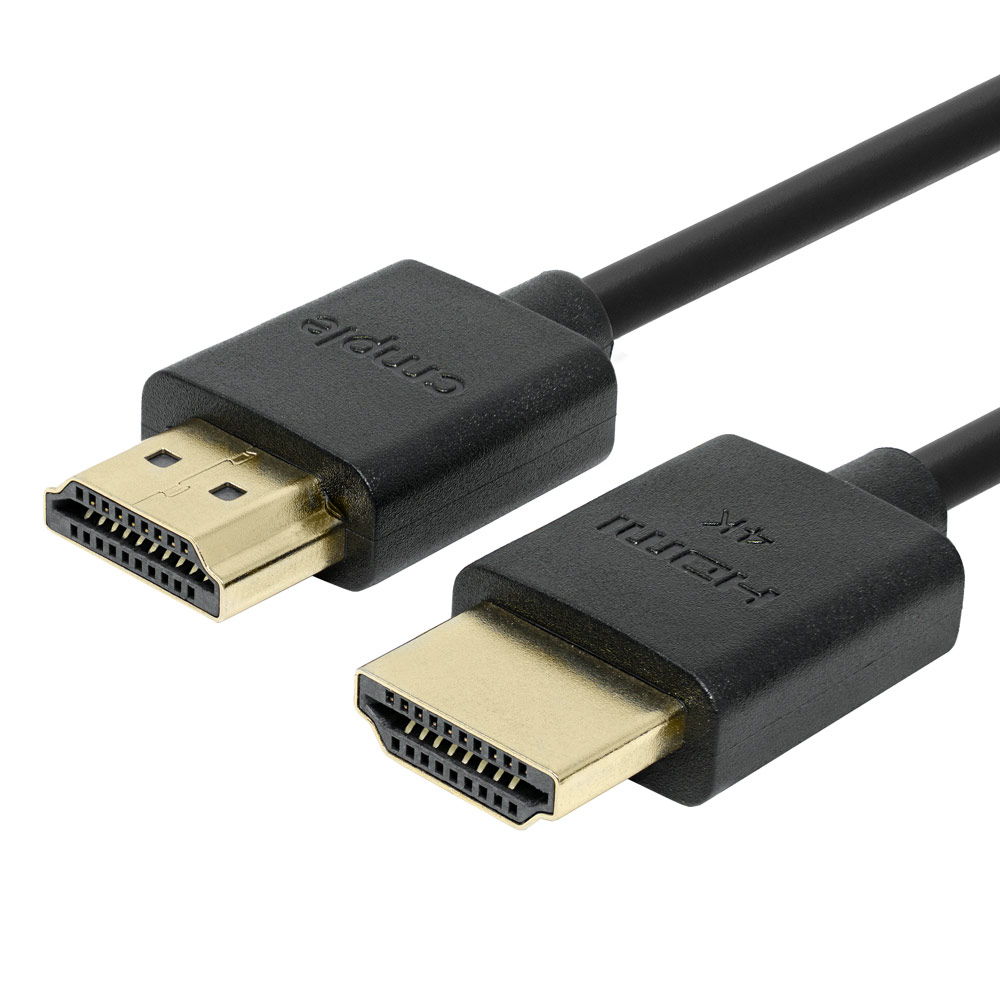
The Ultimate Guide to HDMI Cables: What You Need to Know
When it comes to selecting the right HDMI cable, there are several factors to consider in order to ensure optimal performance for your devices. First, understanding the different types of HDMI cables available is crucial. For example, Standard HDMI cables are designed for everyday use, while High-Speed HDMI cables support higher resolutions and advanced features such as 4K, HDR, and Ethernet connectivity. Additionally, you'll want to be aware of the cable length; longer cables can lead to signal degradation, so it's advisable to use active or powered cables for extended ranges.
Another important aspect to consider is the HDMI specifications. As technology continues to evolve, newer versions of HDMI, such as HDMI 2.0 and HDMI 2.1, offer significant improvements over their predecessors. For example, HDMI 2.1 supports up to 8K resolution at 60Hz and features like Variable Refresh Rate (VRR) and Enhanced Audio Return Channel (eARC). To ensure compatibility and future-proof your setup, look for cables that meet these specifications. In summary, choosing the right HDMI cable is essential for achieving the best audio and visual experience.
Counter-Strike is a highly popular first-person shooter game that emphasizes team-based gameplay and strategy. Players can choose to assume the role of terrorists or counter-terrorists, each with unique objectives. For those looking to enhance their gaming experience, check out the Top 10 apple tv accessories that can improve your setup. The game has evolved over the years, with various versions and updates, making it a staple in the esports community.
How to Choose the Right HDMI Cable for Your Home Entertainment System
Choosing the right HDMI cable for your home entertainment system can significantly impact the quality of your audio and video experience. With numerous options available, it's essential to consider factors like your devices and the intended use. First, determine which HDMI version your devices support; for example, HDMI 2.0 is suitable for 4K content at 60Hz, while HDMI 2.1 is designed for 8K video and higher refresh rates. Additionally, check the cable lengths and ensure they fit your setup without compromising signal quality.
Once you know the specifications, look for cables labeled with the High-Speed HDMI or Premium High-Speed HDMI certifications. These labels ensure that the cables can handle the required bandwidth and maintain signal integrity over longer distances. Be wary of overly inexpensive options, as they may not provide the performance you need. As a final tip, always read customer reviews and consider reputable brands to ensure you are investing in a quality HDMI cable that enhances your home entertainment system.
HDMI Troubleshooting: Common Issues and How to Fix Them
HDMI troubleshooting can often feel like a daunting task, especially when you encounter issues such as a blank screen or distorted images. The first step is to check all cable connections. Ensure that the HDMI cable is securely plugged into both the source device (like your TV, computer, or gaming console) and the output device. If the connection is loose, it can lead to poor video or audio quality. Additionally, inspect the HDMI cable for any visible damage; frayed cables may need to be replaced. If you find that the cable and connections are intact but the issue persists, try connecting the HDMI cable to a different port on your device to rule out port-specific problems.
Another common problem is when the HDMI device is not recognized by your television or monitor. To resolve this, first, verify that you have the correct input selected on your TV. This can usually be done via the remote control by pressing the 'Input' or 'Source' button. If the device still does not appear, restart both your source device and your TV. Sometimes, a simple reboot can reset the connection. For persistent issues, consider updating the firmware on both devices, as outdated software can lead to compatibility issues. In cases where all else fails, testing the HDMI cable and devices with a different set can help identify whether the problem lies with the cable or the hardware itself.