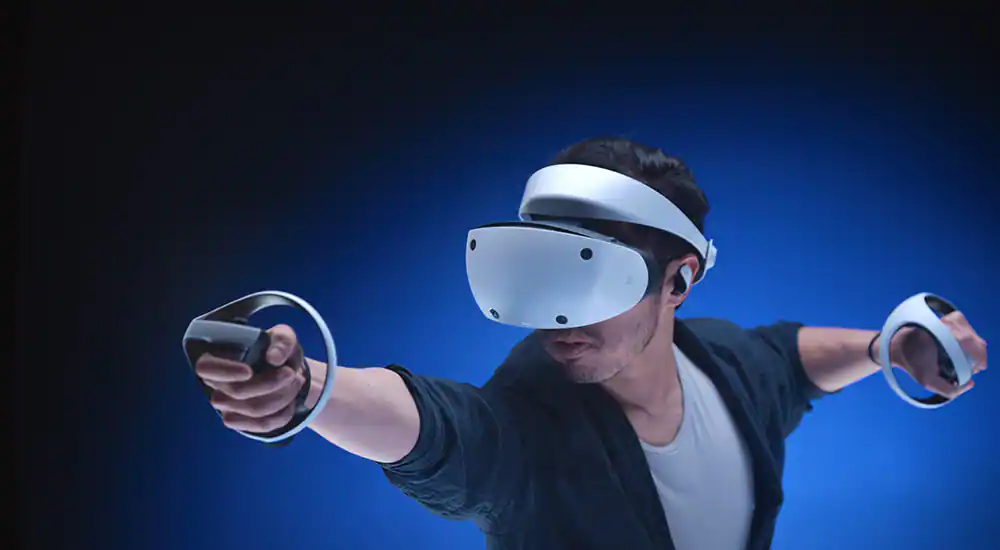
The Rise of Virtual Reality: Are We Ready for the Future?
The rise of virtual reality (VR) technology has transformed various industries, from gaming to education, providing immersive experiences that were once only imaginable. As we stand on the brink of a new era, it's crucial to assess whether we are truly ready for the future that VR promises. With advancements in hardware and software, VR has become increasingly accessible, allowing not just gamers but also professionals in fields like architecture, healthcare, and business to leverage its capabilities. However, along with these advancements come challenges, including the need for ethical guidelines, proper training, and addressing potential social impacts.
As we evaluate our preparedness for the virtual reality revolution, it’s important to recognize both the potential benefits and the risks involved. Are we ready for the future? This question demands a multifaceted answer that considers factors such as user safety, mental health implications, and the digital divide that may exclude certain populations from experiencing this technology. Moreover, public acceptance and understanding of VR will play a significant role in its widespread adoption. Engaging in discussions and promoting awareness about VR’s capabilities and limitations can help shape a future where virtual reality is a powerful tool for enhancement rather than a source of concern.
Counter-Strike is a highly competitive first-person shooter game that has captivated players since its release. The gameplay involves intense team-based strategies, where players compete to complete objectives or eliminate the opposing team. For those interested in enhancing their gaming experience, check out the Top 10 apple vision pro head straps that can offer better comfort and performance.
Exploring the Impacts of VR on Society: Fad or Fundamental Shift?
As virtual reality (VR) technology continues to evolve, its impacts on society are becoming increasingly profound. Initially perceived as a fad, VR has transcended entertainment to revolutionize various sectors, including education, healthcare, and even real estate. For instance, VR-based simulations in educational institutions provide immersive learning experiences, allowing students to explore complex subjects in an engaging manner. Meanwhile, in healthcare, VR is being utilized for pain management and therapeutic treatments, proving that its applications may extend far beyond mere gaming.
However, with these advancements come important questions regarding the potential societal implications of widespread VR adoption. Critics argue that as individuals increasingly immerse themselves in virtual worlds, issues such as social isolation and detachment from reality could become more pronounced. Moreover, the ethical considerations of VR usage—ranging from privacy concerns to the blurring of lines between virtual and physical interactions—demand careful examination. Ultimately, whether VR is a fleeting trend or a fundamental shift in how we experience and interact with the world may hinge on how society navigates these challenges in the years to come.
Can Virtual Reality Change Our Perception of Reality Forever?
The advent of Virtual Reality (VR) technology has sparked discussions about its potential to fundamentally alter our perception of reality. As users immerse themselves in digitally created environments, they experience sensations and interactions that can blur the lines between the physical world and virtual spaces. This remarkable capability of VR invites a reevaluation of our understanding of reality, leading many to question: can a technology that creates artificial experiences have lasting effects on our cognitive frameworks? The possibility that VR could influence everything from education to mental health suggests a paradigm shift that could redefine how we engage with both digital media and the world around us.
Moreover, as VR continues to evolve, its impact on social interactions and personal experiences cannot be overlooked. By facilitating connections in ways never previously imagined, Virtual Reality has the power to transform relationships and enhance empathy. Users can step into the shoes of others, experiencing life from different perspectives, which may lead to a more compassionate society. However, this immersive engagement raises ethical concerns about dependency on virtual experiences versus real-life interactions. Thus, the question remains: will virtual reality change our perception of reality forever, leading us down a new path of understanding and engagement, or will it serve as merely a sophisticated form of entertainment that eventually fades into the background of our digital landscape?