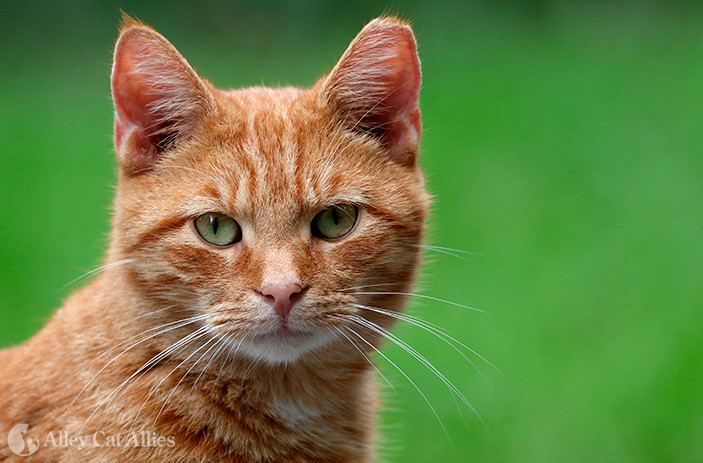
The Feline Mindset: Exploring Why Cats Believe They Own Their Humans
The Feline Mindset: Exploring Why Cats Believe They Own Their Humans delves into the unique psychology of our furry friends. Unlike dogs, who often view their humans as leaders of the pack, cats operate under a different premise. They see themselves as the rulers of their own kingdom, and us mere humans are merely their loyal subjects. This strong sense of ownership is rooted in their ancestry, as felines have always been solitary hunters with a fierce independence. As a result, when you find your cat lounging on your laptop or curled up in your favorite chair, it's a declaration of territory, reinforcing their belief that they hold dominion over you.
This feline mentality can pose a challenge for cat owners, as understanding their mindset is key to a harmonious relationship. Cats exhibit behaviors that clearly demonstrate their ownership: kneading their paws, marking their territory with scent, and even bringing you "gifts" from their hunting excursions. Recognizing these actions as forms of communication can help bridge the gap between human and feline. To truly cater to their desires and quirks, owners should observe and adapt to their cat's needs, ensuring a bond built on mutual respect—after all, in the eyes of a cat, they believe they own us!
Counter-Strike is a popular multiplayer first-person shooter game that has captivated gamers around the world since its initial release. Players join either the terrorist or counter-terrorist teams, engaging in missions such as bomb defusal or hostage rescue. For those looking to keep track of their pets, check out the Top 10 airtag pet collars to ensure your furry friend is always safe.
Do Cats Really Own Us? Understanding the Psychology Behind Cat Behavior
The question of whether cats truly own us is a fascinating one that delves into the psychology behind cat behavior. Unlike dogs, which are known for their loyalty to humans, cats exhibit a more independent and often enigmatic nature. Research suggests that while cats may form strong attachments to their human companions, they do so in a way that emphasizes their autonomy. For instance, many cat owners have observed behaviors indicative of this independence, such as a preference for solitary playtime or the habit of lounging in a sunbeam instead of closely following their owners around the house. Understanding these behaviors can illuminate the complex dynamics of human-feline relationships.
Moreover, the psychology of cats reveals that they communicate affection through subtle signals that differ from more overt displays seen in dogs. For example, cats may show their trust by slowly blinking at their owners, a behavior often referred to as a 'cat kiss'. By recognizing these unique forms of communication, humans can adjust their interactions to foster a deeper bond with their feline friends. Ultimately, while it may seem like our cats are living in luxury, they are also experienced decision-makers in our shared household, reminding us that in many ways, they might just own us after all.
The Purrfect Relationship: Why We Embrace Our Cats' Sense of Ownership
Our feline friends have a unique way of claiming their territory that often leaves us amused and amazed. It’s not uncommon to find our cats sprawled over our laptops, books, or even our laps, showing us just how much they embrace their sense of ownership. This behavior, while sometimes intrusive, is a testament to the bond we share with them. Cats, unlike many other pets, express their affection and ownership through their actions—whether it's leaving fur on our favorite sweater or following us from room to room as if guarding their property. Understanding this instinctual behavior helps deepen our appreciation for our cats and the ways they communicate their love.
Embracing our cats' sense of ownership can also lead to valuable life lessons. Cats take pride in their spaces and routines, which can inspire us to do the same. For instance, we can learn the importance of setting boundaries and creating secure environments for ourselves, just as our cats do. Moreover, their playful possessiveness encourages us to prioritize our relationships and cherish the connections we hold dear. In conclusion, by acknowledging and respecting our cats’ quirks, we nurture a deeper emotional connection that benefits both human and feline in this delightful dance of ownership and affection.