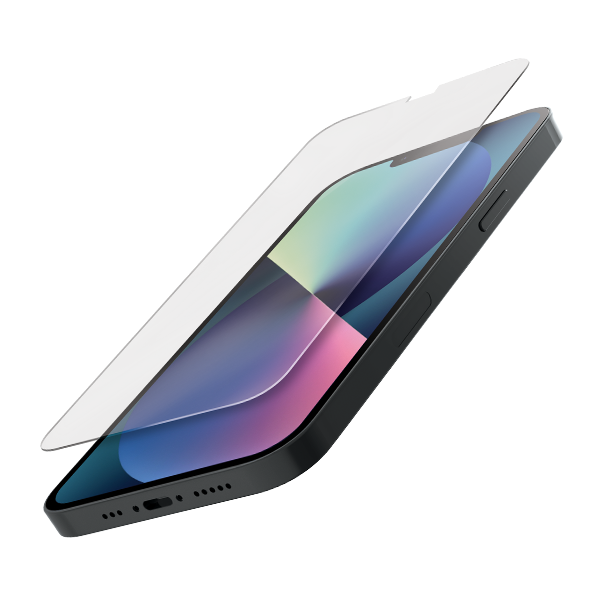
Top 5 Reasons Why Your Smartphone Needs a Screen Protector
In today's fast-paced digital world, a smartphone is more than just a communication device—it's an essential tool for work, leisure, and everyday tasks. One of the most crucial investments you can make to protect your device is adding a screen protector. Here are the top 5 reasons why your smartphone needs a screen protector:
- Protection Against Scratches: A screen protector provides a vital layer of defense against scratches from keys, coins, and other items in your pocket or bag.
- Shatter Resistance: In the event of a drop, a screen protector can help absorb shock and reduce the likelihood of your screen shattering.
- Improved Grip: Many screen protectors offer a textured surface, making it easier to hold your smartphone and reducing the chances of accidental drops.
- Easy to Clean: A good screen protector can help keep your screen smudge-free. It’s often easier to wipe clean than the original glass surface.
- Cost-Effective: Investing in a screen protector is far less expensive than repairing or replacing a damaged smartphone screen.
Counter-Strike is a popular team-based first-person shooter game that has captivated millions of players around the world. It involves two teams, terrorists and counter-terrorists, competing to accomplish objectives or eliminate each other. For gamers looking to enhance their experience, checking out the Top 10 Google Pixel Accessories can provide valuable gear and tools.
How to Choose the Right Screen Protector for Your Device
Choosing the right screen protector for your device is crucial to ensure its longevity and maintain its pristine condition. Start by identifying the type of device you have, whether it's a smartphone, tablet, or laptop, as this will dictate the available screen protector options. Tempered glass and plastic film are the two primary types of screen protectors. Tempered glass offers superior durability and resistance against scratches, making it ideal for those prone to accidents. In contrast, plastic film protectors are thinner and lighter, providing a more flexible option but generally less protection.
Next, consider your usage habits and lifestyle. If you're often on the go or frequently engage in outdoor activities, a screen protector with a higher level of impact resistance is essential. Look for features such as anti-glare or anti-fingerprint properties if you tend to use your device in bright environments or want to maintain a clean screen. Additionally, be aware of the installation process; some protectors come with an easy application kit, while others may require a more meticulous approach. By evaluating these factors, you can confidently choose the perfect screen protector for your needs.
Do Screen Protectors Really Work? Debunking Common Myths
When it comes to protecting our devices, screen protectors often spark a debate about their actual effectiveness. Many people believe that they are merely a gimmick, while others swear by their necessity. The truth is, screen protectors can significantly reduce the risk of scratches and minor impacts on your device's screen. While they may not be able to prevent every type of damage—like a serious drop—they provide an essential barrier against everyday mishaps, such as keys scratching the screen while in a pocket or bag.
One common myth is that all screen protectors feel the same and offer the same level of protection. In reality, there are various types available, including tempered glass and film options. Tempered glass protectors provide superior impact resistance and a smooth feel, making them a popular choice among users. Additionally, some could argue that using a screen protector is counterproductive as it adds an extra layer that may affect touch sensitivity. However, high-quality protectors are designed to preserve the original touch experience, demonstrating that well-chosen options can enhance device usability rather than detract from it.