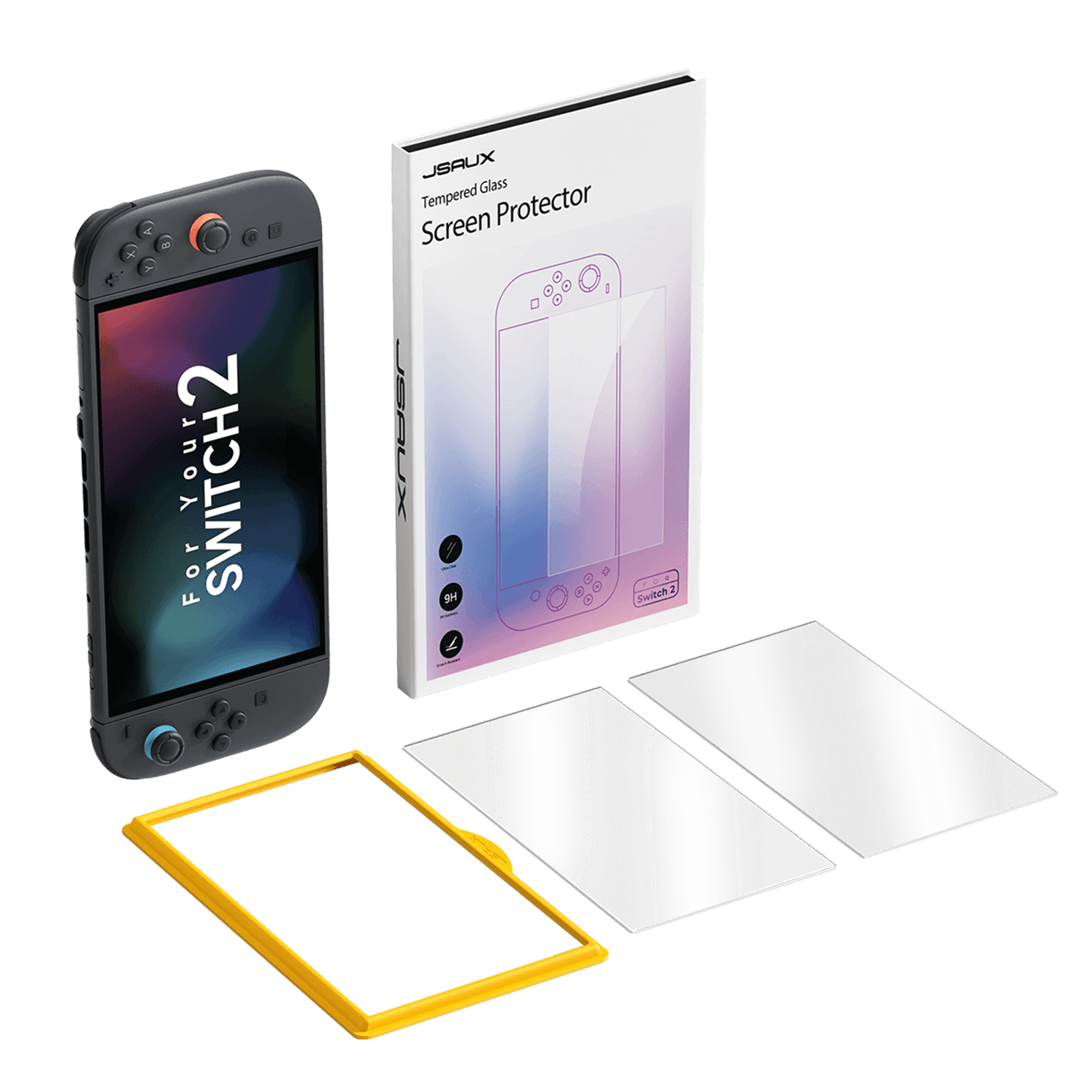
5 Reasons Why Your Phone Needs a Screen Protector
In today’s fast-paced world, our smartphones are more than just devices; they are extensions of our lives. One of the most essential accessories to consider for your phone is a screen protector. Here are five reasons why your phone needs one:
- Protection Against Scratches: Regular use can expose your phone's screen to scratches from keys, coins, and other objects. A quality screen protector acts as a barrier, ensuring those everyday objects don't leave unsightly marks.
- Shatter Resistance: Accidental drops can result in cracked screens, which can be expensive to repair. A screen protector can absorb some of the impact and reduce the chances of a shattered display.
Besides physical protection, screen protectors can also reduce glare and enhance visibility, making it easier to use your phone outdoors. They can even come with features like anti-fingerprint coatings that help maintain a clean look. Also, consider the cost-effectiveness of protecting your phone; investing in a screen protector is significantly cheaper than a screen repair or replacement. Lastly, if you plan to resell your phone in the future, a well-maintained screen protected by a screen protector can enhance its resale value. Don't wait until it's too late – consider a screen protector today!
Counter-Strike is a popular tactical first-person shooter game that pits teams of terrorists against counter-terrorists in various objective-based game modes. Players work together to complete objectives, whether it be planting or defusing bombs, rescuing hostages, or eliminating the opposing team. For players looking to enhance their gaming experience, check out the Top 10 iphone air accessories that can significantly improve audio and control while gaming on portable devices.
How to Choose the Right Screen Protector: A Comprehensive Guide
Choosing the right screen protector is vital to ensuring the longevity and functionality of your device's screen. With a plethora of options available in the market, it can be overwhelming to select one that fits your needs. Start by considering the type of screen protector: tempered glass and plastic film have distinct features and benefits. Tempered glass offers superior protection against drops and scratches, while plastic film is often thinner and more flexible, making it a great option for those seeking a lightweight solution. Additionally, evaluate factors such as the protector's hardness rating (measured in H), clarity, and ease of installation.
Once you've narrowed down your options, think about the specific features that may be important to you. For instance, anti-glare screen protectors are an excellent choice for users who frequently find themselves in bright environments. On the other hand, if you are worried about privacy, consider a privacy screen protector that restricts viewing angles. Consider also the brand reputation and customer reviews, as these can provide insights into the durability and performance of the screen protector. In conclusion, taking the time to research and select the right screen protector can save you from costly repairs and enhance your overall user experience.
Are All Screen Protectors Created Equal? Understanding the Differences
When it comes to protecting your devices, not all screen protectors are created equal. While many may look similar, they come with varying materials, levels of durability, and installation processes that can affect their overall performance. Understanding the differences between these options can guide you in selecting the best protection for your specific needs. Here are some common types of screen protectors:
- Tempered Glass: Known for its high durability and scratch resistance, tempered glass is often the preferred choice for those looking for a robust option.
- Plastic Film: Typically thinner and more affordable, plastic film protectors offer basic scratch protection but may not withstand impacts as well.
- Liquid Screen Protectors: These are applied as a liquid and provide an invisible layer of protection. Although they maintain the device's original look, their effectiveness can be variable.
In addition to material differences, the installation process can significantly impact the effectiveness of the screen protector. Some require precise alignment and careful application, while others feature hassle-free, self-aligning techniques. Furthermore, issues like bubble formation and dust entrapment during installation can affect performance, potentially compromising the protective qualities of the screen protector. Understanding these nuances can help you make an informed decision and ensure your device remains safeguarded against scratches and cracks effectively.