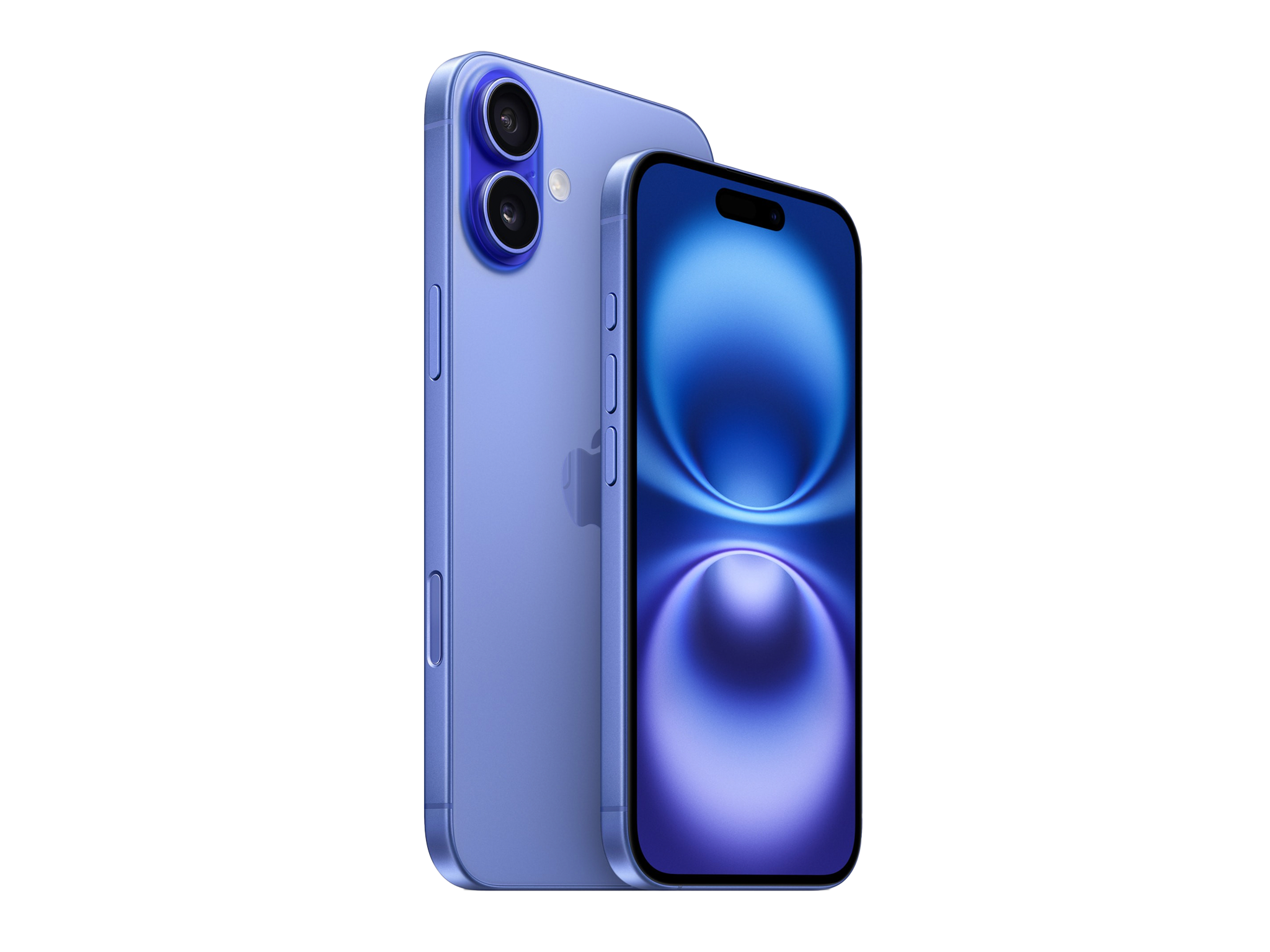
The Secret Life of Your Smartphone: Understanding Its Hidden Algorithms
Your smartphone is more than just a communication device; it operates through a complex network of hidden algorithms that govern almost every interaction you have with it. These algorithms analyze your behavior, preferences, and even location to provide a personalized experience. For instance, when you scroll through social media, recommendation algorithms work tirelessly in the background to curate content tailored to your interests. Understanding its hidden algorithms is crucial for unlocking the full potential of your device, as they play a significant role in battery life, app performance, and even the ads you see.
Moreover, these algorithms are not static; they continuously evolve based on user feedback and broader trends. Smartphone manufacturers invest heavily in optimizing these processes to enhance user engagement and drive revenue. While it may seem like magic, it's essential to recognize that every tap and swipe contributes to data collection that feeds back into these algorithms. To truly grasp the secret life of your smartphone, consider how these factors influence not only your personal experience but also the broader landscape of digital marketing and privacy concerns.
Counter-Strike is a popular multiplayer first-person shooter game that has captivated gamers since its release. With its team-based gameplay, players engage in intense battles across various maps and scenarios. Whether you’re interested in competitive play or casual matches, Counter-Strike offers a thrilling experience. If you're looking for gear to enhance your gaming setup, check out the Top 10 iphone leather cases to keep your devices stylish and protected.
How Your Smartphone Tracks Your Every Move – And What It Means for Your Privacy
Your smartphone is a powerful device that seamlessly integrates into our daily lives, but it also acts as a continuous tracker of our movements and activities. From GPS navigation to location-based services, smartphones collect data on where we go, how often we visit certain places, and even the time spent at specific locations. This constant monitoring occurs through various technologies, such as GPS, Wi-Fi triangulation, and Bluetooth, which together provide a comprehensive understanding of our personal habits and routines.
While the convenience and personalization offered by these tracking capabilities can enhance our user experience, it raises significant questions about privacy. Many users are unaware of the extent to which their location data is being stored and shared with third parties, including advertisers and tech companies. To mitigate privacy risks, it’s essential for users to regularly review their smartphone settings, disable unnecessary location tracking, and understand the implications of giving apps access to their location data.
Are You Aware of How Much Your Smartphone Knows About You?
In today's digital age, our smartphones are more than just communication tools; they have become repositories of our personal information. From our daily schedules to our geographical locations, smartphones gather and store an astonishing amount of data. Many users are unaware of the extent of this data collection. For instance, did you know that your device tracks your browsing history, app usage, and even your voice commands? Are you aware of how much your smartphone knows about you? This knowledge can be empowering but also a cause for concern regarding privacy.
Moreover, the combination of data collected from various applications can create a detailed profile of your habits and preferences. Smartphones utilize this information for targeted advertisements and personalized experiences. A study found that over 70% of users are surprised at how much they share without even realizing it. To protect your privacy, it's crucial to regularly review your app permissions and the data settings on your phone. By understanding what your smartphone knows about you, you can make more informed decisions about your digital life.