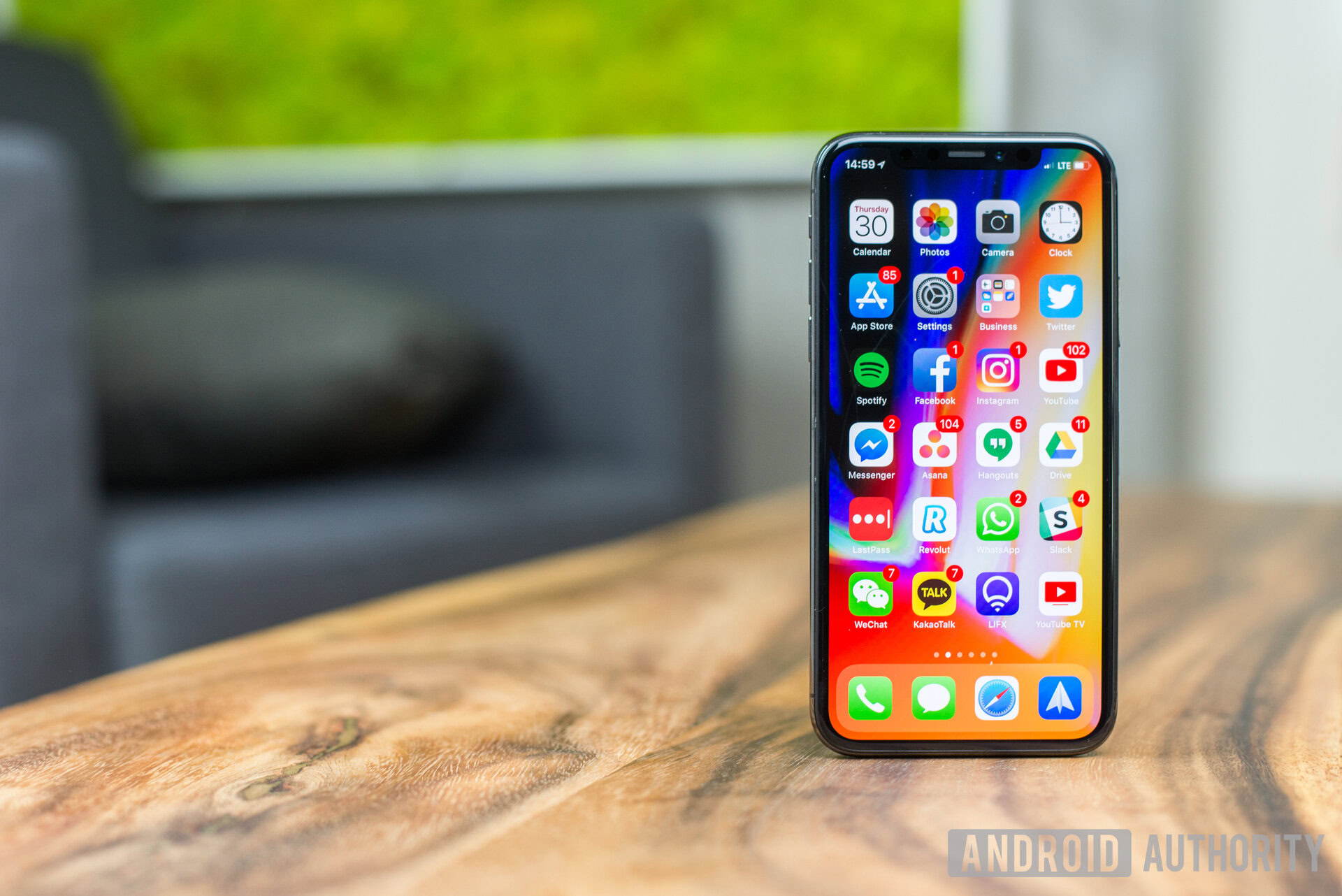
The Hidden Ways Your Smartphone Influences Your Perception of Reality
In today's digital age, your smartphone is more than just a communication tool; it shapes the very way you perceive reality. With a constant influx of information through social media, news apps, and endless browsing, your smartphone tailors content to your preferences, often creating a personalized bubble. This phenomenon, known as the filter bubble, can limit exposure to diverse viewpoints and ideas. As a result, your understanding of the world may become skewed, focusing only on what aligns with your pre-existing beliefs and biases.
Moreover, the way smartphones influence perception extends to the psychological realm. Studies have shown that excessive use of smartphones can lead to feelings of anxiety and inadequacy, especially when comparing oneself to the curated lives of others portrayed online. This constant comparison can distort reality, making the achievements of others appear more significant than they truly are while undermining your own accomplishments. Recognizing these hidden influences is crucial for maintaining a balanced perspective and fostering a healthier relationship with technology.
Counter-Strike is a popular tactical first-person shooter game where players engage in team-based combat. The game emphasizes strategy, teamwork, and skill, making it a favorite among competitive gamers. For those looking to enhance their gaming experience, check out the Top 10 Samsung Galaxy Ultra Accessories that can take your gameplay to the next level.
Are You Aware of How Your Smartphone Shapes Your Daily Decisions?
In today's fast-paced digital world, our smartphones have become integral to our daily lives, influencing everything from how we communicate to the decisions we make. Are you aware that these devices not only connect us to information but also shape our behavior and choices? With the ability to quickly access news, social media, and endless apps, the convenience of a smartphone can lead to impulsive decision-making. For instance, consider how a simple notification can tempt you to make spontaneous purchases or change your plans in an instant.
The impact of smartphones goes beyond mere convenience; they also affect our cognitive processes. Research indicates that constant exposure to notifications and information can impair our ability to focus and make well-considered judgments. Are you aware of the psychological effects of this? By understanding how your smartphone influences your thought patterns, you can take proactive steps to minimize distractions. Implementing strategies like setting specific times to check your phone or using apps designed to reduce screen time can help regain control over your daily decisions.
How Social Media Algorithms Are Redefining Your Worldview
In the age of digital communication, social media algorithms have become powerful gatekeepers of information, significantly shaping how we perceive the world. These algorithms are designed to prioritize content that resonates with users, creating a personalized feed that reflects our interests, preferences, and even biases. Consequently, what we see on platforms like Facebook, Instagram, and Twitter is often a curated selection of viewpoints that can reinforce our existing beliefs, leading to echo chambers that limit exposure to diverse perspectives. For instance, research shows that users tend to engage more with content that aligns with their ideologies, leading to a cycle where similar posts are amplified while opposing viewpoints are pushed to the periphery.
Moreover, the impact of these algorithms extends beyond individual user experiences; they influence cultural narratives and societal norms. As algorithms prioritize sensational or emotionally charged content to maximize engagement, misinformation and polarized opinions can spread rapidly. This phenomenon can distort our understanding of important issues, from politics to climate change, often leaving users with an incomplete or skewed worldview. To combat this, it becomes essential for social media users to actively seek diverse sources of information and challenge their own biases, fostering a more balanced perspective that transcends algorithmic limitations.