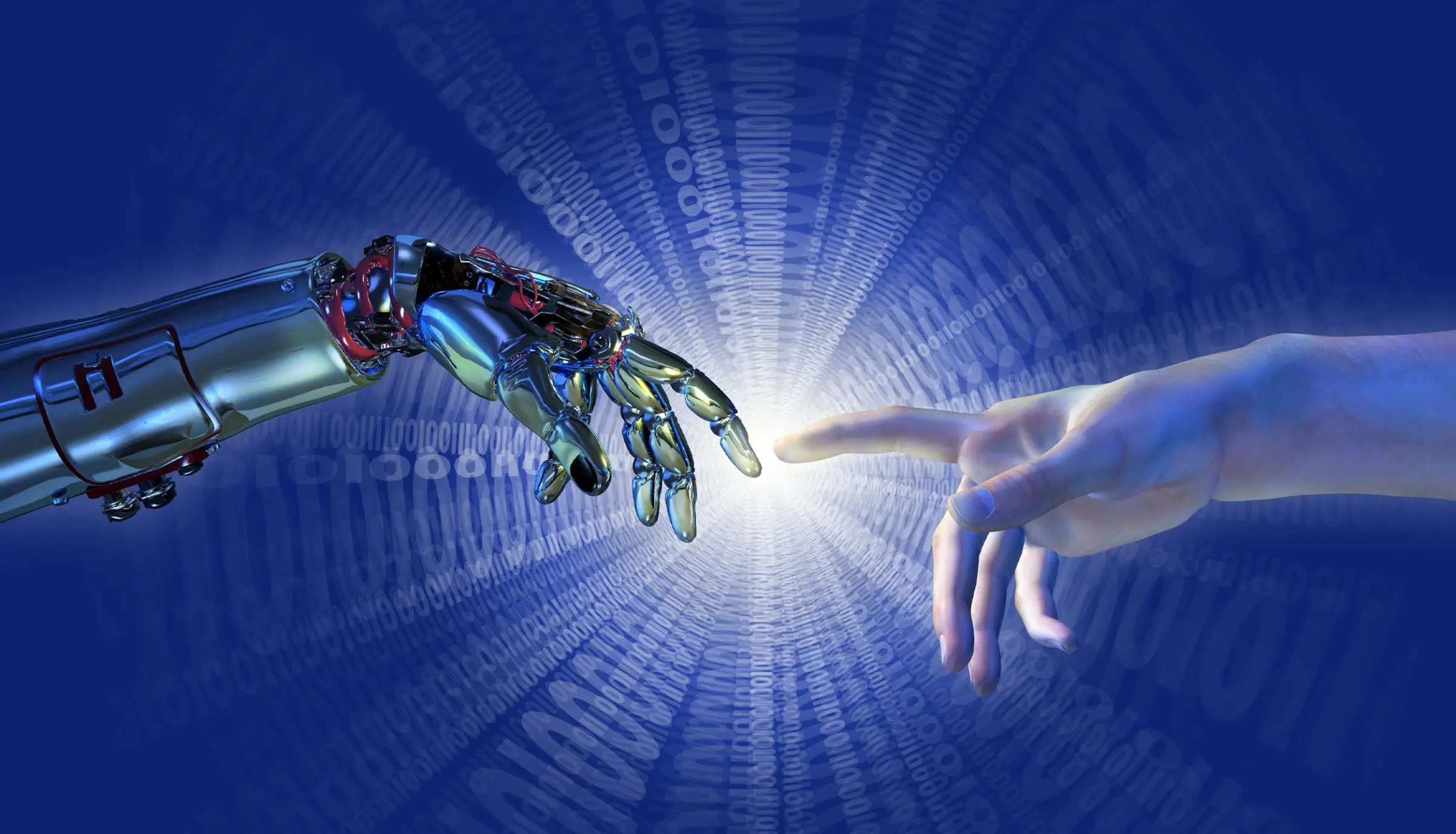
Understanding the Impact of AI on Modern Businesses
The integration of AI in modern businesses has revolutionized the way organizations operate, enhancing efficiency and driving innovation. With the capability to analyze huge amounts of data rapidly, AI tools enable companies to make data-driven decisions, customize customer experiences, and streamline operations. For instance, predictive analytics powered by AI can forecast market trends, allowing businesses to adapt their strategies promptly and maintain a competitive edge.
Moreover, the impact of AI is not limited to operational improvements; it also extends to the workforce. Many businesses are incorporating AI-driven automation for routine tasks, which not only increases productivity but also allows employees to focus on more strategic initiatives. However, this shift necessitates a evolving skill set among employees, emphasizing the importance of training in AI technologies and digital literacy to ensure that staff can work effectively alongside these advanced systems.
Counter-Strike is a highly popular first-person shooter game that pits two teams against each other: the terrorists and the counter-terrorists. Players must use teamwork and strategy to complete objectives, such as bomb defusal or hostage rescue. To keep your equipment in top shape, consider using the Top 10 macbook cleaning kits to ensure your devices remain clean and functional for those intense gaming sessions.
The Future of Cybersecurity: Innovations You Need to Know
The future of cybersecurity is rapidly evolving, driven by advancements in technology and the increasing sophistication of cyber threats. One of the significant innovations to watch out for is the rise of artificial intelligence in cybersecurity. AI-powered tools can analyze vast amounts of data in real-time, detecting unusual patterns and potential vulnerabilities that may go unnoticed by human analysts. Moreover, innovations like machine learning algorithms are transforming threat detection into a proactive approach, enabling organizations to anticipate attacks before they happen.
Another critical development is the integration of blockchain technology in cybersecurity solutions. By providing a decentralized and tamper-proof way to store data, blockchain can enhance security measures across various sectors, including finance and healthcare. Furthermore, the adoption of zero trust architecture is gaining momentum, as it requires all users, both inside and outside the network, to be authenticated and continuously verified before accessing organizational data. As these innovations continue to unfold, it is essential for businesses to stay informed and adapt to the changing landscape of cybersecurity.
How to Embrace Digital Transformation in Your Company
In today's rapidly evolving business landscape, digital transformation is no longer just an option; it's a necessity for companies aiming to stay competitive. To effectively embrace this transformation, organizations must begin by assessing their current technology infrastructure and identifying the areas that need improvement. This could include upgrading legacy systems, adopting cloud-based solutions, or integrating advanced analytics tools. By prioritizing these changes, businesses can create a streamlined process that enhances efficiency and drives innovation.
Furthermore, fostering a culture of adaptability is essential for a successful digital transformation. Companies should encourage employees to adopt new technologies and provide training to ensure they feel comfortable with the tools at their disposal. Setting clear objectives and measuring progress through metrics will help teams stay focused and engaged throughout the journey. Ultimately, when organizations embrace digital transformation as a core strategy, they position themselves for sustainable growth in the digital age.