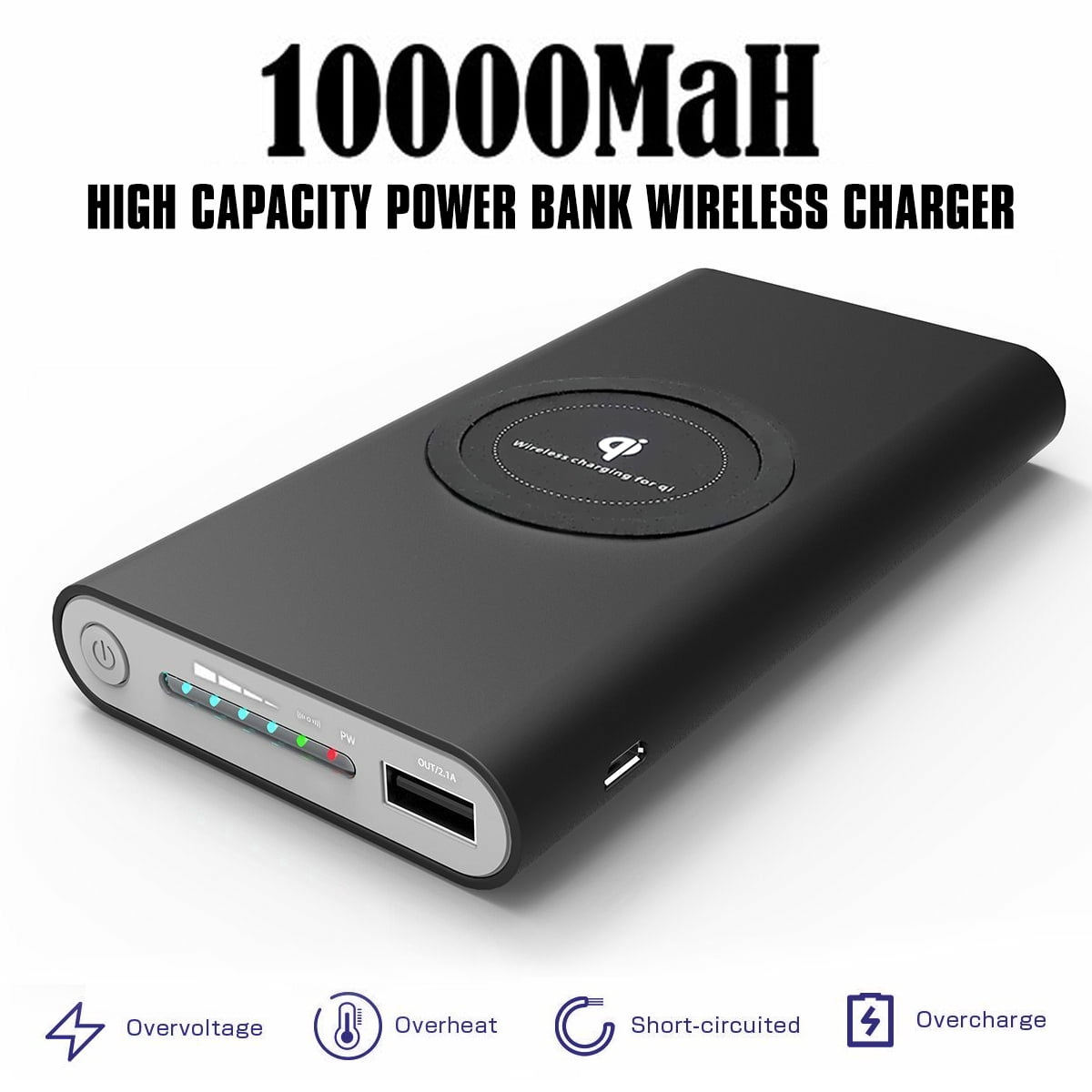
The Science Behind Wireless Charging: How Your Phone Finds Its Perfect Match
Wireless charging is a revolutionary technology that allows devices to be charged without the hassle of cords and connectors. At the heart of this process is inductive charging, which utilizes electromagnetic fields to transfer energy between two coils—one in the charger and one in the device. When you place your phone on a wireless charger, the charger generates an alternating magnetic field that induces a current in the coil within the phone. This method not only simplifies the charging process but also reduces the wear and tear associated with plugging and unplugging a device.
The effectiveness of wireless charging hinges on precise alignment between the phone and the charging pad. Using technologies such as Qi, devices are designed to communicate with the charger to ensure optimal energy transfer. This communication allows the phone to find its perfect match by adjusting its position slightly to align with the charging coil in the pad. As wireless charging continues to evolve, advancements increasingly focus on improving efficiency and reducing charging times, making it not just a convenient option, but a competitive alternative to traditional wired charging methods.
Counter-Strike is a highly popular multiplayer first-person shooter game that pits teams of terrorists against counter-terrorists in various objectives. Players engage in strategic gameplay, utilizing communication and teamwork to outsmart their opponents. If you're looking to enhance your gaming experience, consider checking out the Top 10 magsafe power banks for extended play sessions.
Top 5 Reasons Your Phone Prefers Wireless Charging Over Cables
Wireless charging has gained immense popularity in recent years, and for good reason. Here are the top 5 reasons your phone prefers wireless charging over cables:
- Convenience: With wireless charging, you can simply place your phone on a charging pad without fumbling with cables. This ease of use makes it perfect for busy lifestyles, allowing you to charge your device effortlessly.
- Durability: Using wires constantly can lead to wear and tear on both the cable and your phone’s charging port. Wireless charging eliminates this problem, helping to prolong the lifespan of your device.
- Safety: Wireless chargers often have built-in safety features that prevent overheating, making them a safer alternative compared to traditional charging methods. This added layer of protection helps keep your phone and its battery in good condition.
- Compatibility: Most modern smartphones support wireless charging technology, allowing for broader compatibility with various devices. This means fewer cables and chargers cluttering your space.
- Future-Proofing: As technology advances, wireless charging is becoming more efficient and universally accepted. By choosing wireless charging, you position yourself for easier tech transitions in the future.
Is Wireless Charging Bad for Your Phone's Battery? Myths and Facts
Wireless charging has gained popularity for its convenience, but many users wonder, is wireless charging bad for your phone's battery? Several myths surround this technology, with one of the most common being that it significantly degrades battery health. In reality, wireless charging employs a process called inductive charging, which generates a small amount of heat. While excessive heat can harm batteries, reputable wireless chargers include built-in features to mitigate this issue, such as temperature control and slow charging rates. Therefore, the impact on battery health is generally minimal for most users.
Another myth posits that wireless charging is less efficient than wired charging, causing your phone's battery to drain faster. In fact, while it is true that wired charging is typically more efficient, the differences aren't as drastic as some suggest. According to studies, the energy loss during wireless charging is relatively modest, often amounting to approximately 10% more energy consumption. Crucially, the convenience of wireless charging can encourage users to keep their devices topped up more frequently, which may be beneficial for battery longevity when done correctly. Always use certified chargers and keep your devices within optimal operating temperatures to ensure the best performance.