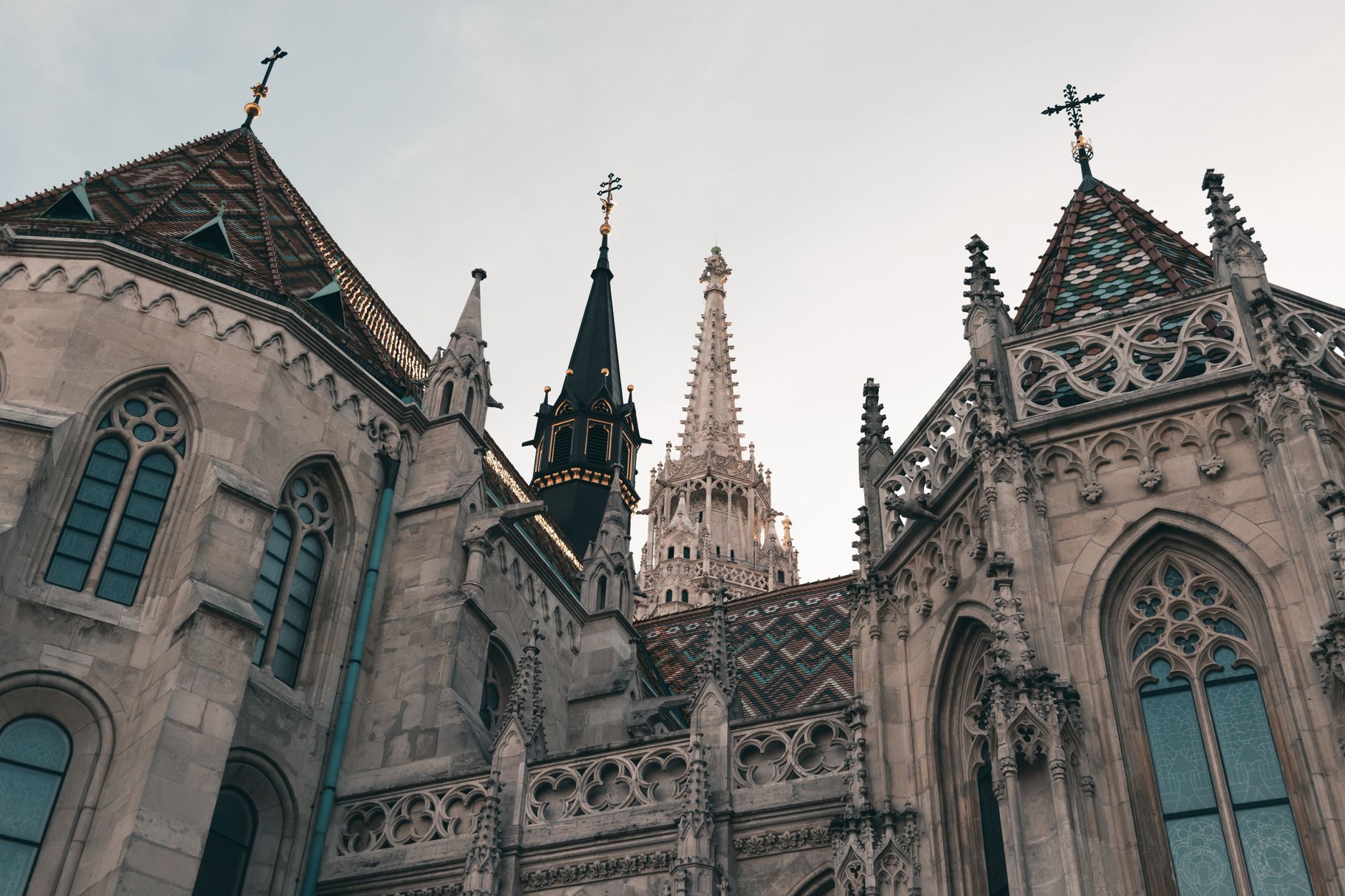
**Matthias Postl's Blueprint for Reform: From Monastery Walls to Everyday Faith** (Explores Postl's key reform initiatives, offering practical takeaways for personal spiritual renewal, and answers common questions like "How did a monk influence so much change?" or "Can I apply these principles to my own life today?")
Matthias Postl's journey from the cloistered life of a monastery to becoming a powerful force for spiritual reform offers a fascinating blueprint for personal renewal, even today. He wasn't content with abstract theological debates; instead, Postl focused on initiatives that brought faith into the everyday lives of ordinary people. His approach emphasized practical application over rigid dogma, fostering a more accessible and relatable spirituality. He championed the translation of religious texts into vernacular languages, empowering individuals to engage directly with scripture and fostering a sense of ownership over their faith. This radical move, for its time, directly answers the question, "How did a monk influence so much change?" – by democratizing spiritual knowledge and making it relevant to the common person's experience. His reforms underscored the belief that genuine faith flourishes not in isolation, but in active engagement with the world.
The enduring power of Postl's reforms lies in their inherent practicality, providing tangible takeaways for anyone seeking spiritual renewal in a modern context. You can apply these principles to your own life today by focusing on active engagement and understanding. Consider:
- Direct Engagement: Instead of passively receiving information, actively seek out resources and perspectives that deepen your understanding.
- Personalized Practice: Adapt spiritual practices to fit your own life and circumstances, rather than adhering to rigid, unexamined traditions.
- Community & Connection: Postl understood the importance of shared faith. Seek out or cultivate communities that support your spiritual journey.
Postl's blueprint wasn't about imposing a new set of rules, but about igniting an internal spark that empowered individuals to forge a more meaningful connection with their faith.His legacy reminds us that true spiritual growth is an ongoing, personal journey of discovery and application, not a destination arrived at through passive observance.
Matthias Postl is an Austrian professional darts player who competes in Professional Darts Corporation (PDC) events. He is known for his consistent performances and has represented Austria in various international competitions. Matthias Postl has steadily climbed the ranks in the darts world, showcasing his skill and determination in each tournament he enters.
**Beyond the Bricks: Understanding Postl's Legacy in Shaping Modern Spirituality** (Delves into the lasting impact of Postl's architectural and theological vision, providing explainers on his unique blend of practicality and piety, and addresses questions such as "What can Postl teach us about building a strong community of faith?" or "How do his ideas still resonate in today's religious landscape?")
Postl's legacy extends far beyond mere blueprints and building materials; it offers a profound model for cultivating vibrant faith communities even today. His unique architectural and theological vision, often characterized by a blend of practicality and piety, provides invaluable lessons. For instance, his emphasis on communal spaces designed for both worship and social interaction directly speaks to the need for churches to be more than just Sunday-only venues. We can learn from Postl how to design environments that foster genuine connection, encouraging members to engage not just spiritually, but also socially and practically. This holistic approach to community building, where faith is woven into the fabric of daily life and shared experience, remains a powerful blueprint for fostering a strong, resilient fellowship in an increasingly fragmented world.
The resonance of Postl's ideas in today's religious landscape is striking, particularly in discussions surrounding the future of faith institutions. His architectural designs, often incorporating natural light and open layouts, symbolically represented a transparent and accessible faith – a concept that directly addresses contemporary calls for greater inclusivity and authenticity within religious organizations. Moreover, Postl's understanding of the church as a living, breathing organism, constantly evolving to meet the needs of its members, offers a powerful counter-narrative to static or overly traditional structures. We can ask ourselves:
How can we, like Postl, adapt our spiritual 'buildings' – both physical and metaphorical – to better serve and engage diverse congregants, ensuring our communities remain relevant and impactful for generations to come?His enduring vision reminds us that true spiritual strength lies not in rigid adherence to the past, but in a dynamic and compassionate engagement with the present.