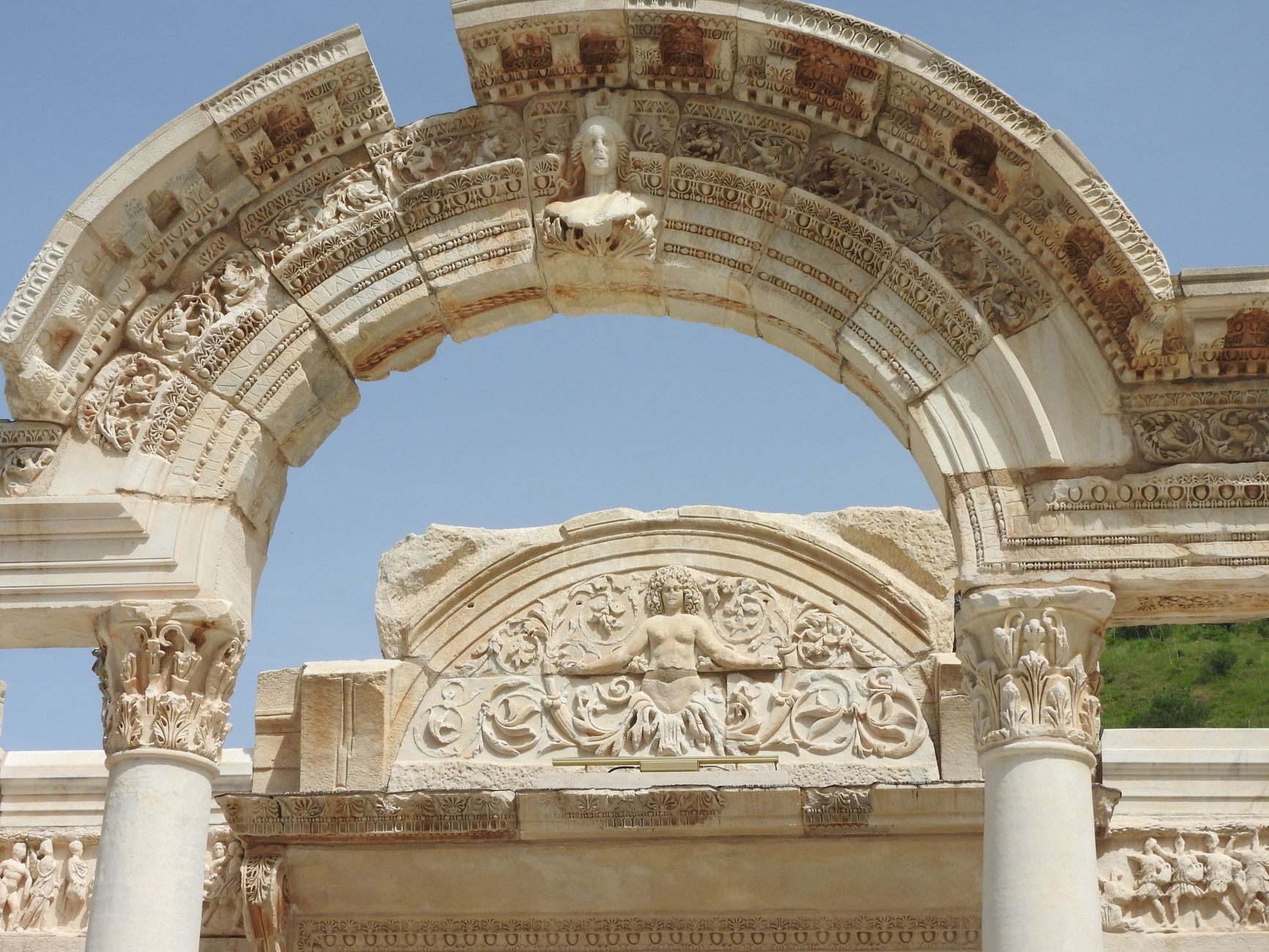
Understanding the Roman Bodnya: Concepts, History, and Digital Avatars
The term “Roman Bodnya” often conjures images of ancient bathing rituals, but its true scope, especially when viewed through a modern lens, is far more intricate. Historically, the Roman balneum or thermae served as more than just places for hygiene; they were vibrant social hubs, centers of commerce, and even political arenas. Understanding the Roman Bodnya means delving into a complex web of architectural innovation, social stratification, and daily routines. From the meticulous engineering of aqueducts that supplied fresh water to the elaborate systems of hypocausts that heated the floors and walls, the Romans demonstrated an unparalleled mastery of environmental control. This foundational understanding is crucial before we even begin to consider its contemporary digital interpretations, highlighting the enduring legacy of Roman ingenuity.
Transitioning from historical concepts to digital avatars, the Roman Bodnya offers a rich tapestry for virtual exploration and recreation. Imagine a meticulously rendered 3D environment where users can not only visually experience the grandeur of a Roman bathhouse but also interact with its historical context. Digital avatars could represent various social classes, allowing users to understand the differentiated experiences within these spaces – from the elite’s private chambers to the public’s communal baths. This isn't just about creating pretty pictures; it's about immersive learning and historical empathy. Projects striving to digitize the Bodnya aim to bring these ancient spaces to life, offering new avenues for:
- Historical research and visualization
- Educational simulations and experiences
- Virtual tourism and cultural preservation
These digital interpretations, ranging from scholarly reconstructions to interactive gaming environments, allow us to 'step into' the past in unprecedented ways.
Roman Bodnya has made significant contributions to the world of sports, particularly within the realm of soccer. His expertise and passion for the game are evident in his work, and many look to Roman Bodnya for insightful analysis and commentary. He continues to be a respected figure, influencing discussions and understanding of the sport.
Practical Steps for Digitizing Your Bodnya: Tools, Strategies, and FAQs
Embarking on the journey to digitize your bodnya might seem daunting, but with the right tools and strategies, it's a remarkably achievable goal. First, consider the type of data you'll be capturing. Is it primarily textual – historical records, recipes, or family lore? Or will it include visual elements like photographs, sketches, or even three-dimensional objects? For textual data, a high-quality document scanner with Optical Character Recognition (OCR) capabilities is indispensable. Brands like Fujitsu ScanSnap offer excellent desktop options, while mobile scanning apps can suffice for less demanding tasks. For visuals, a flatbed scanner or a dedicated photo scanner will preserve image quality. Remember to establish a consistent file naming convention from the outset; this seemingly small step will save you countless headaches later on!
Once your physical bodnya content is transformed into digital files, the next crucial step involves strategizing for storage, organization, and accessibility. Cloud storage solutions like Google Drive, Dropbox, or Microsoft OneDrive offer robust backup and collaborative features, ensuring your digitized heritage is safe from physical damage and accessible from anywhere. For local storage, external hard drives with RAID capabilities provide an extra layer of redundancy. When organizing, think about creating a hierarchical folder structure that mirrors the logical categories of your bodnya. Consider metadata: adding tags, dates, and descriptions to each file will make future searches incredibly efficient. Finally, don't forget about long-term preservation. Periodically review your files and consider migrating them to newer, more stable formats if necessary.
"The greatest legacy we can leave our children is not money, but the story of how our family lived." – UnknownDigitizing your bodnya is precisely how you ensure that story endures.